V.
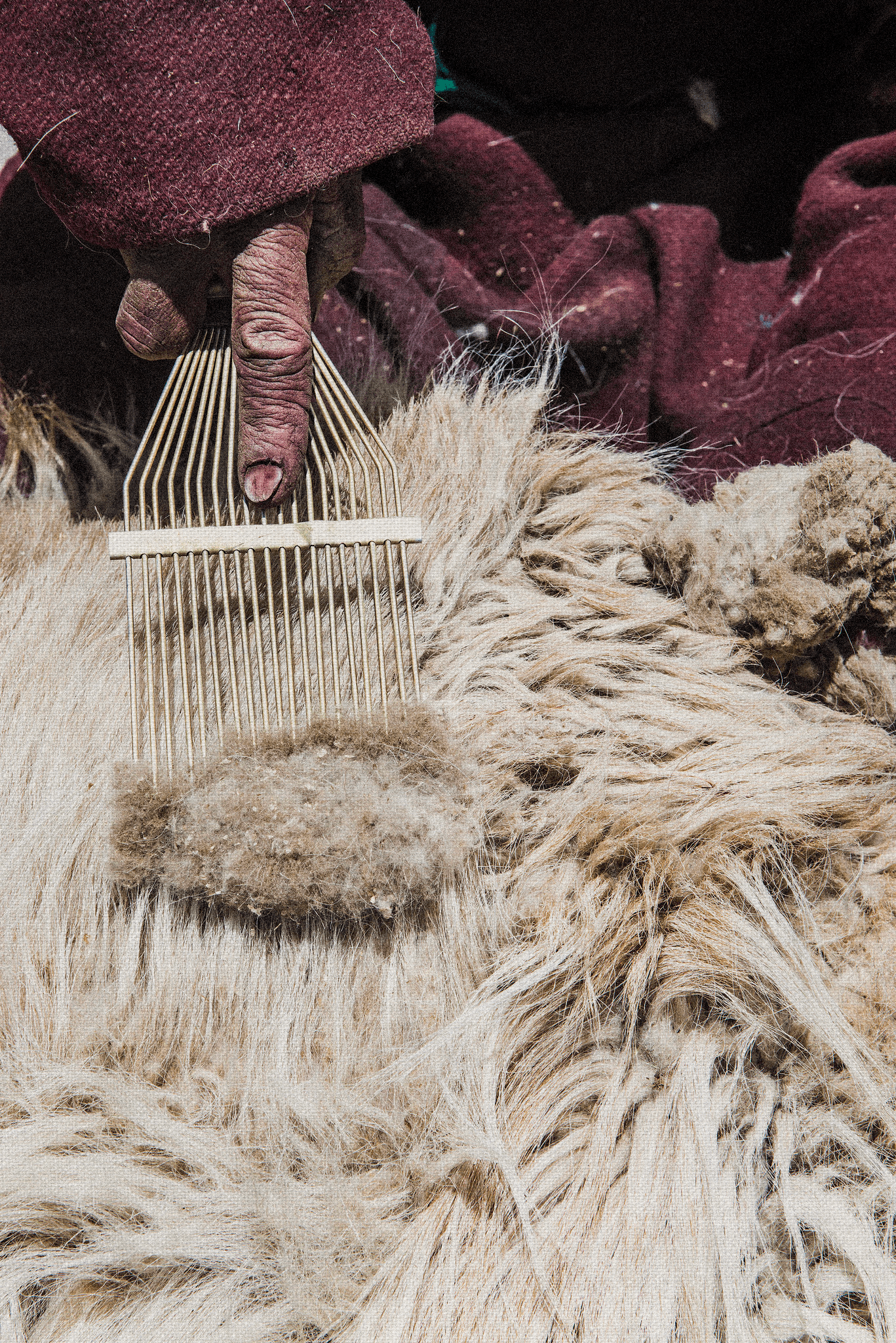
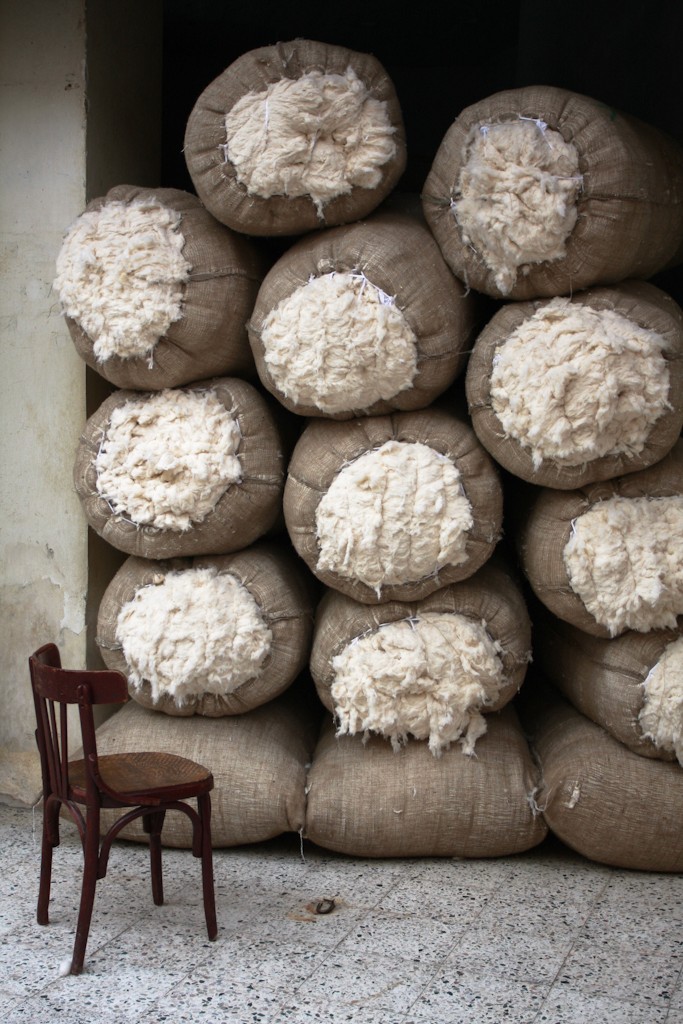
RIGHT Pashmina wool fibres from, Photo by Anoop Negi
VI.
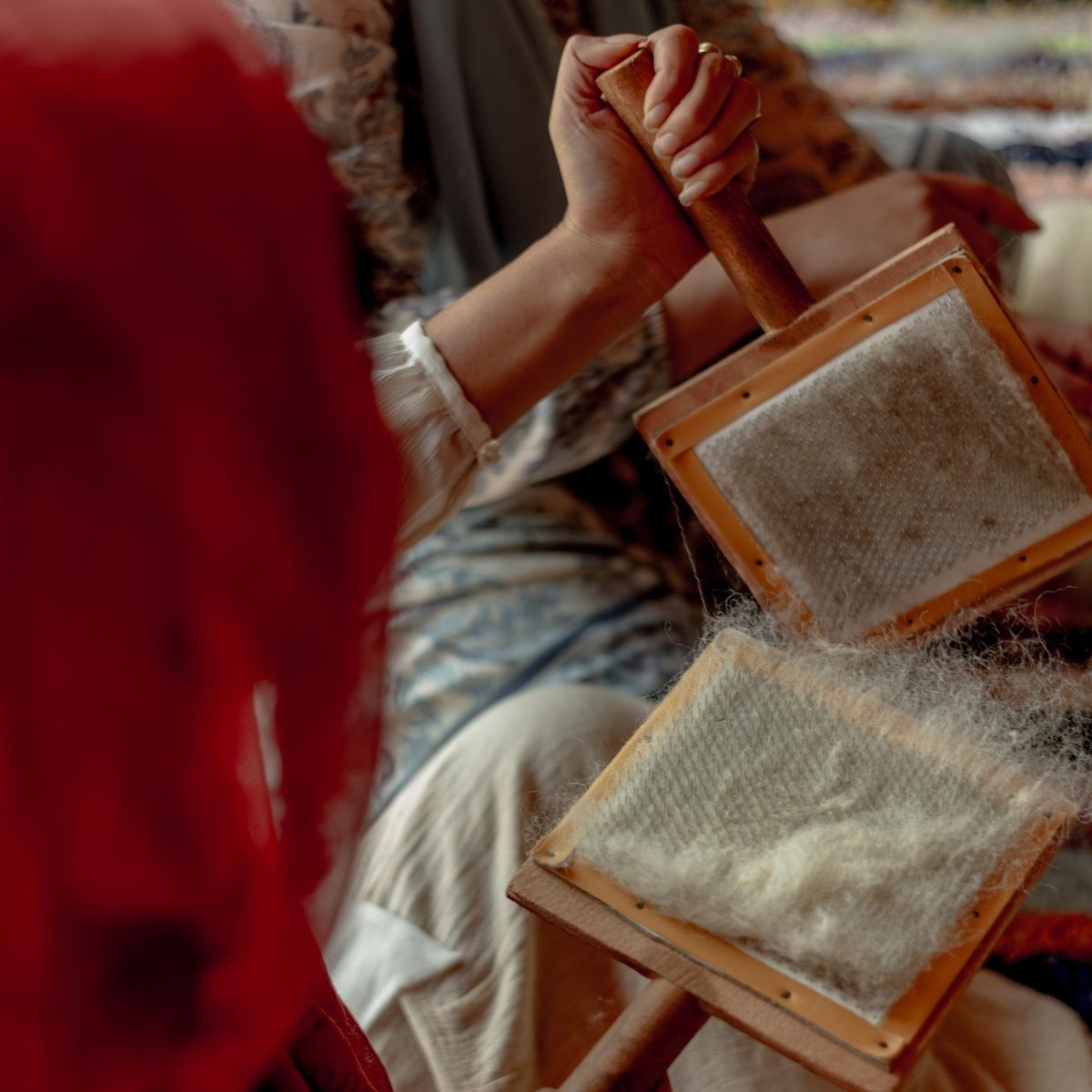
BELOW Siroua Wool Project, Feija Tribe Weavers, Morocco. Photo by
Pierre Girardin
III.
BELOW Siroua Wool Project, Feija Tribe Weavers, Morocco. Photo by
Pierre Girardin
IV.
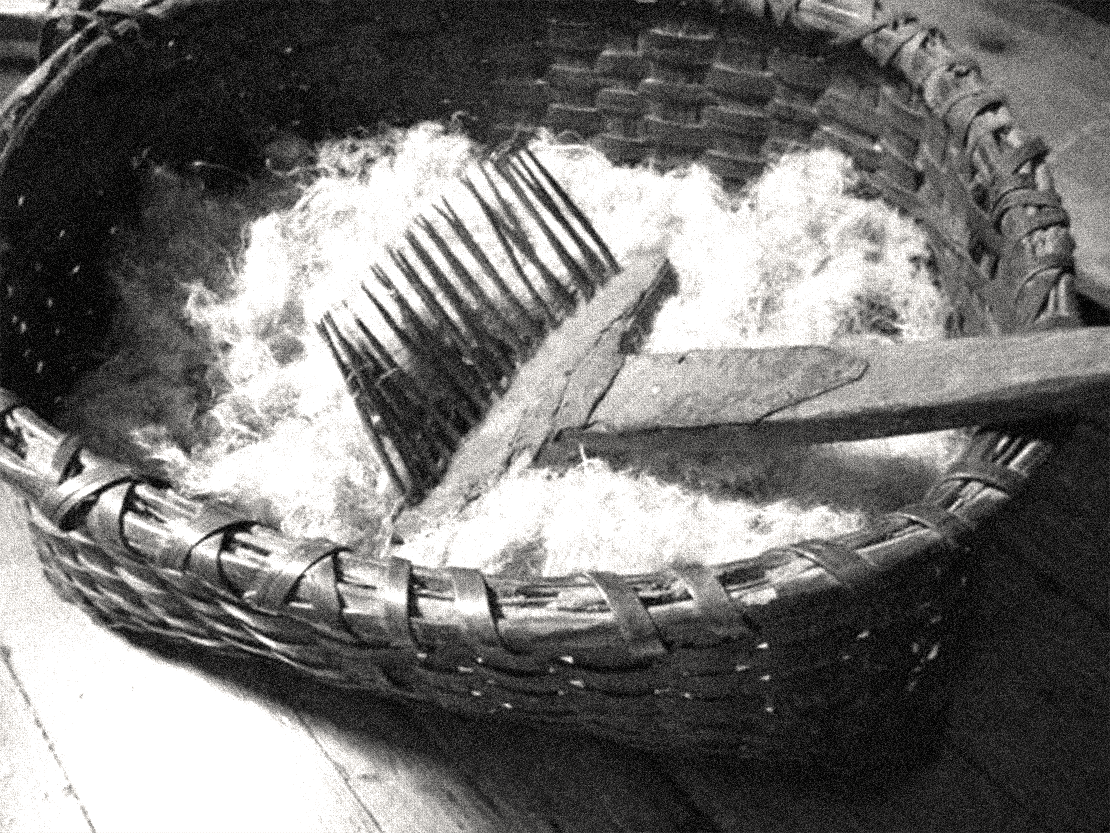
LAST Untitled - Carding Wool in Basket, c. early 20th century,
Lost Crafts: Hand Carding Wool
Vol. III
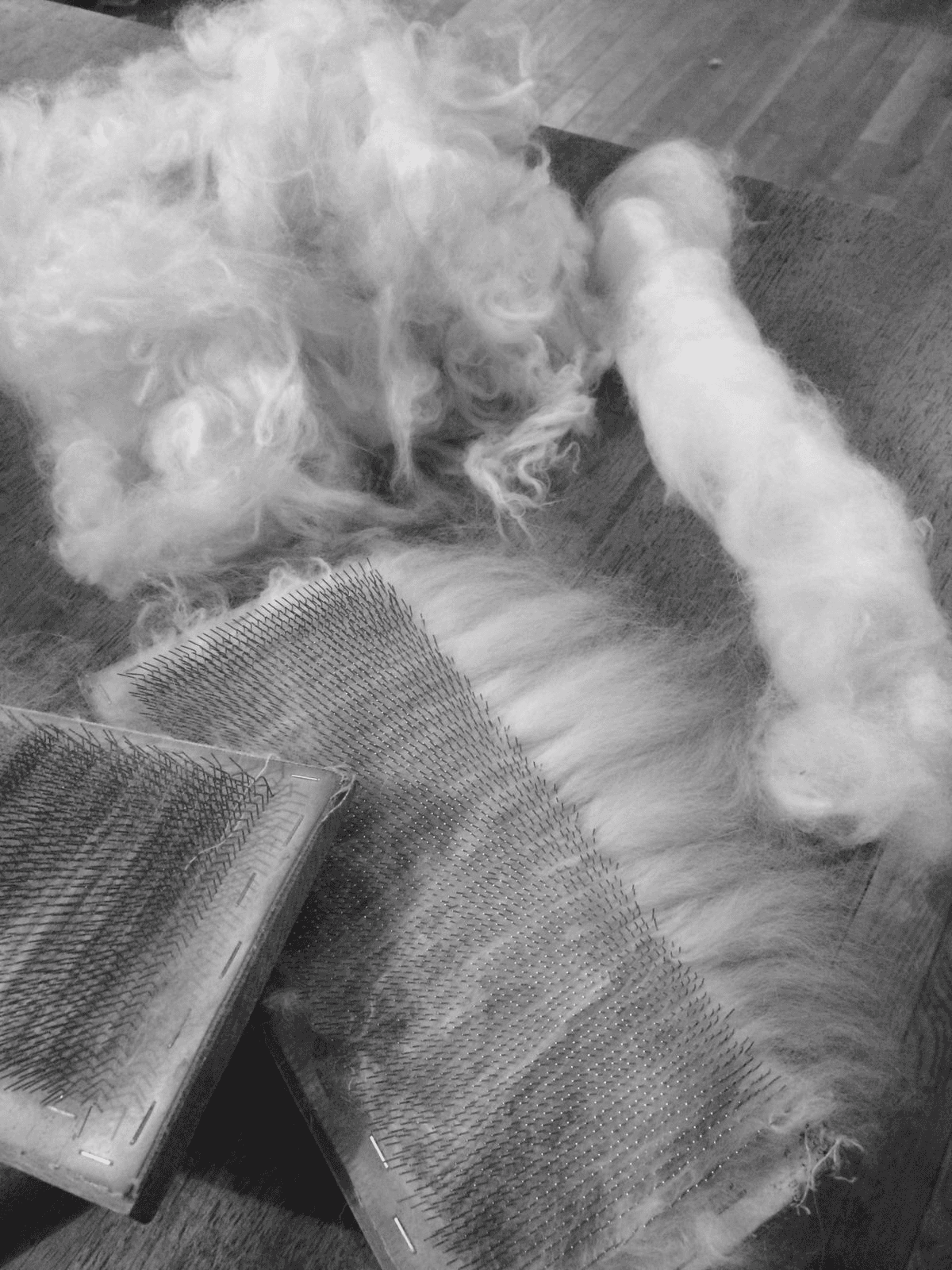
Before wool can be spun, it is prepared by hand. Loose fibres are drawn between two brushes to open them and lay them in one direction. This removes small tangles and makes the fibre more even. The process also helps to clean the wool, lifting out dust and short fibres, and leaving behind the longer, more usable ones.

mohair
The mohair blanket is a soft, voluminous blanket with a welcoming tactility, hand-woven using the finest mohair with added wool for greater body and increased longevity. Our Artisans follow centuries-old tradition working the Angora fibres into superlatively soft blankets. Smooth and lustrous in texture, each is breathable and lightweight, crease - resistant and kind to sensitive skin.
As a naturally renewable resource needing no chemical treatment, mohair goes gently on the earth in its production while providing strength and resilience when spun into yarn.
newsletter
mohair
The mohair blanket is a soft, voluminous blanket with a welcoming tactility, hand-woven using the finest mohair with added wool for greater body and increased longevity. Our Artisans follow centuries-old tradition working the Angora fibres into superlatively soft blankets. Smooth and lustrous in texture, each is breathable and lightweight, crease - resistant and kind to sensitive skin.
As a naturally renewable resource needing no chemical treatment, mohair goes gently on the earth in its production while providing strength and resilience when spun into yarn.
newsletter
mohair
The mohair blanket is a soft, voluminous blanket with a welcoming tactility, hand-woven using the finest mohair with added wool for greater body and increased longevity. Our Artisans follow centuries-old tradition working the Angora fibres into superlatively soft blankets. Smooth and lustrous in texture, each is breathable and lightweight, crease - resistant and kind to sensitive skin.
As a naturally renewable resource needing no chemical treatment, mohair goes gently on the earth in its production while providing strength and resilience when spun into yarn.
newsletter
For Berger, weaving was structure, and logic.- the disciplined interlacing of warp and weft to create something both functional and quietly radical.
Her textiles are restrained and architectural. Grid, subtle shifts in tone, and tactile surfaces that reveal their complexity only upon close inspection.
Pattern does not sit on top of the cloth; but emerges from the weave itself.
Texture becomes language, and repetition becomes rhythm.
The process is repeated until the wool becomes soft, light, and consistent, then rolled into a loose form, ready for spinning. The fibre is then drawn out and twisted into yarn, a preparation that defines its strength, softness, and evenness. Hand carding keeps the fibres slightly varied in length and direction, which creates a softer, more open yarn, recognisable by slight irregularities.
V.
RIGHT Pashmina wool fibres from, Photo by Anoop Negi
VI.
BELOW Siroua Wool Project, Feija Tribe Weavers, Morocco. Photo by
Pierre Girardin
III.
ABOVE Siroua Wool Project, Feija Tribe Weavers, Morocco. Photo by
Pierre Girardin
IV.
BELOW Untitled - Carding Wool in Basket, c. early 20th century,
Industrial processes has later changed this step, prioritising speed and uniformity. Carding by hand is slower and more controlled, and allows the fibre to be guided rather than fully mixed. It doesn't change the material itself, but it determines how it can be worked. A simple but essential step.
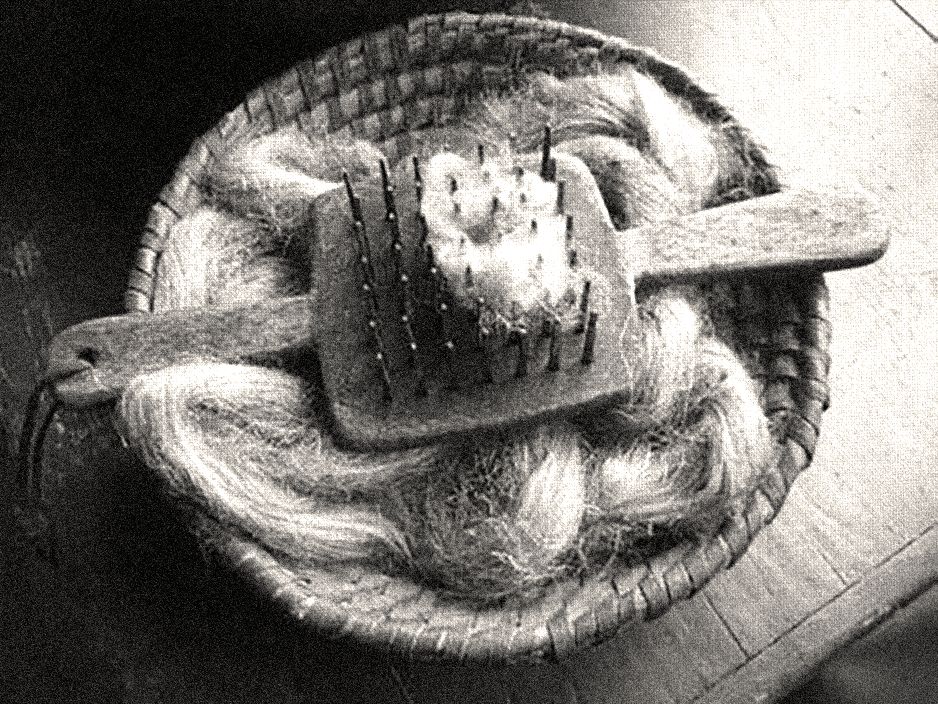
The process is repeated until the wool becomes soft, light, and consistent, then rolled into a loose form, ready for spinning. The fibre is then drawn out and twisted into yarn, a preparation that defines its strength, softness, and evenness. Hand carding keeps the fibres slightly varied in length and direction, which creates a softer, more open yarn, recognisable by slight irregularities.
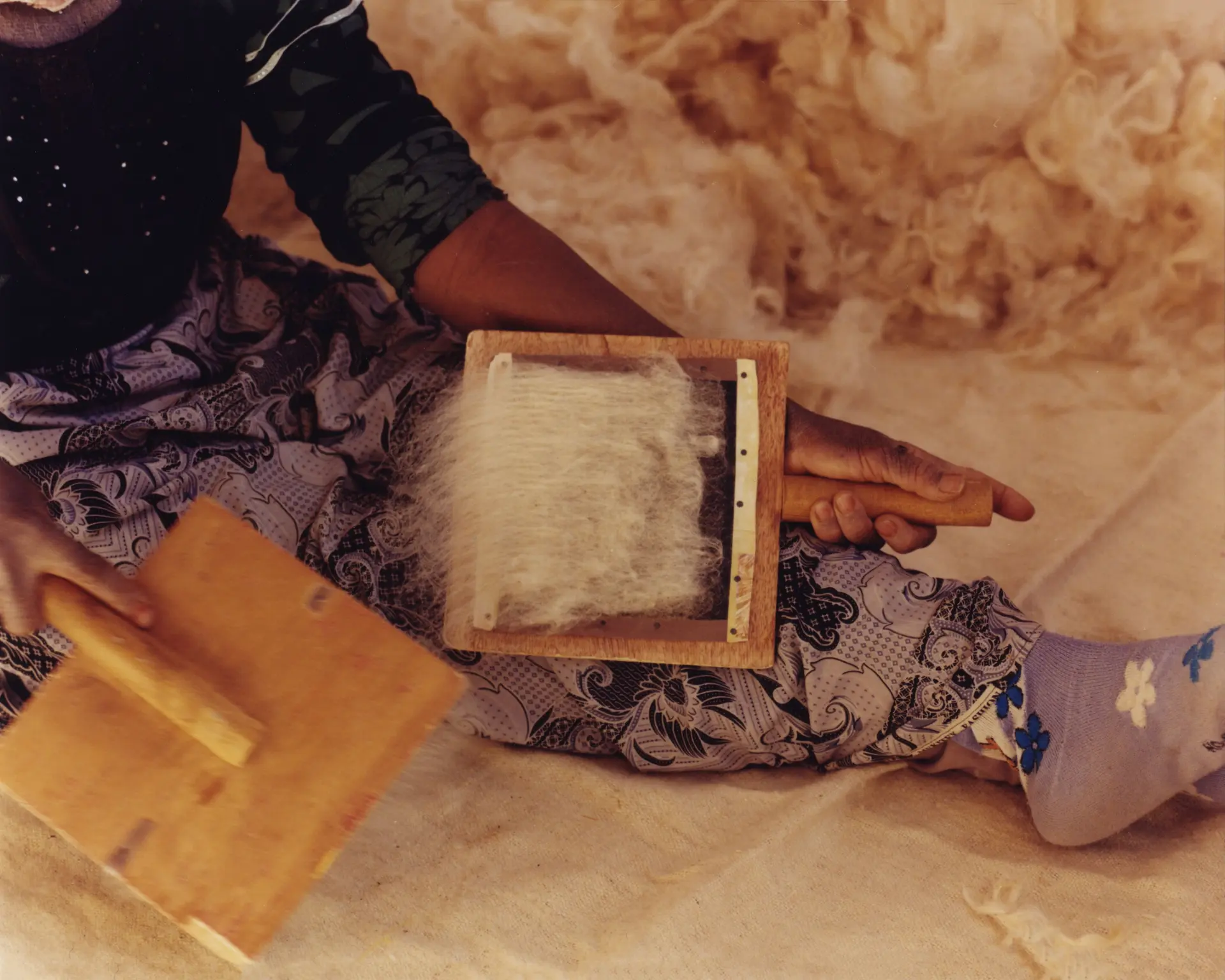
ABOVE Pierre Girardin - for Memori Lab with Siroua Wool Project, Feija Tribe Weavers, Morocco.
The process is repeated until the wool becomes soft, light, and consistent, then rolled into a loose form, ready for spinning. The fibre is then drawn out and twisted into yarn, a preparation that defines its strength, softness, and evenness. Hand carding keeps the fibres slightly varied in length and direction, which creates a softer, more open yarn, recognisable by slight irregularities.
ABOVE Pierre Girardin - for Memori Lab with Siroua Wool Project, Feija Tribe Weavers, Morocco.
The process is repeated until the wool becomes soft, light, and consistent, then rolled into a loose form, ready for spinning. The fibre is then drawn out and twisted into yarn, a preparation that defines its strength, softness, and evenness. Hand carding keeps the fibres slightly varied in length and direction, which creates a softer, more open yarn, recognisable by slight irregularities.
ABOVE Pierre Girardin - for Memori Lab with Siroua Wool Project, Feija Tribe Weavers, Morocco.
Industrial processes has later changed this step, prioritising speed and uniformity. Carding by hand is slower and more controlled, and allows the fibre to be guided rather than fully mixed. It doesn't change the material itself, but it determines how it can be worked. A simple but essential step.
V.
ABOVE Pashmina wool fibres from, Photo by Anoop Negi
VI.
BELOW Siroua Wool Project, Feija Tribe Weavers, Morocco. Photo by
Pierre Girardin
Lost Crafts:
Hand Carding Wool
Vol. III
Before wool can be spun, it is prepared by hand. Loose fibres are drawn between two brushes to open them and lay them in one direction. This removes small tangles and makes the fibre more even. The process also helps to clean the wool, lifting out dust and short fibres, and leaving behind the longer, more usable ones.
III.
ABOVE Siroua Wool Project, Feija Tribe Weavers, Morocco. Photo by
Pierre Girardin
IV.
BELOW Untitled - Carding Wool in Basket, c. early 20th century,