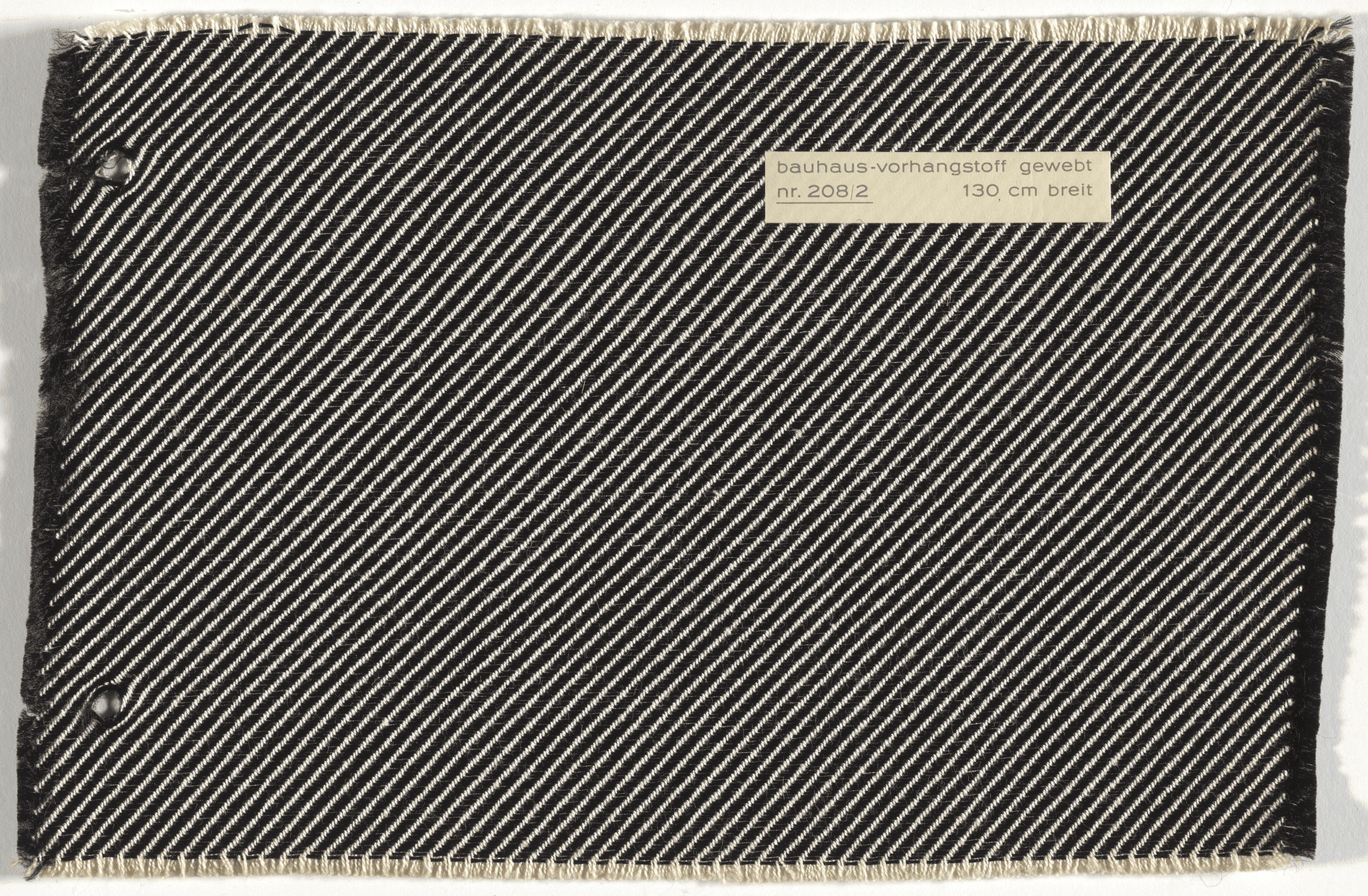
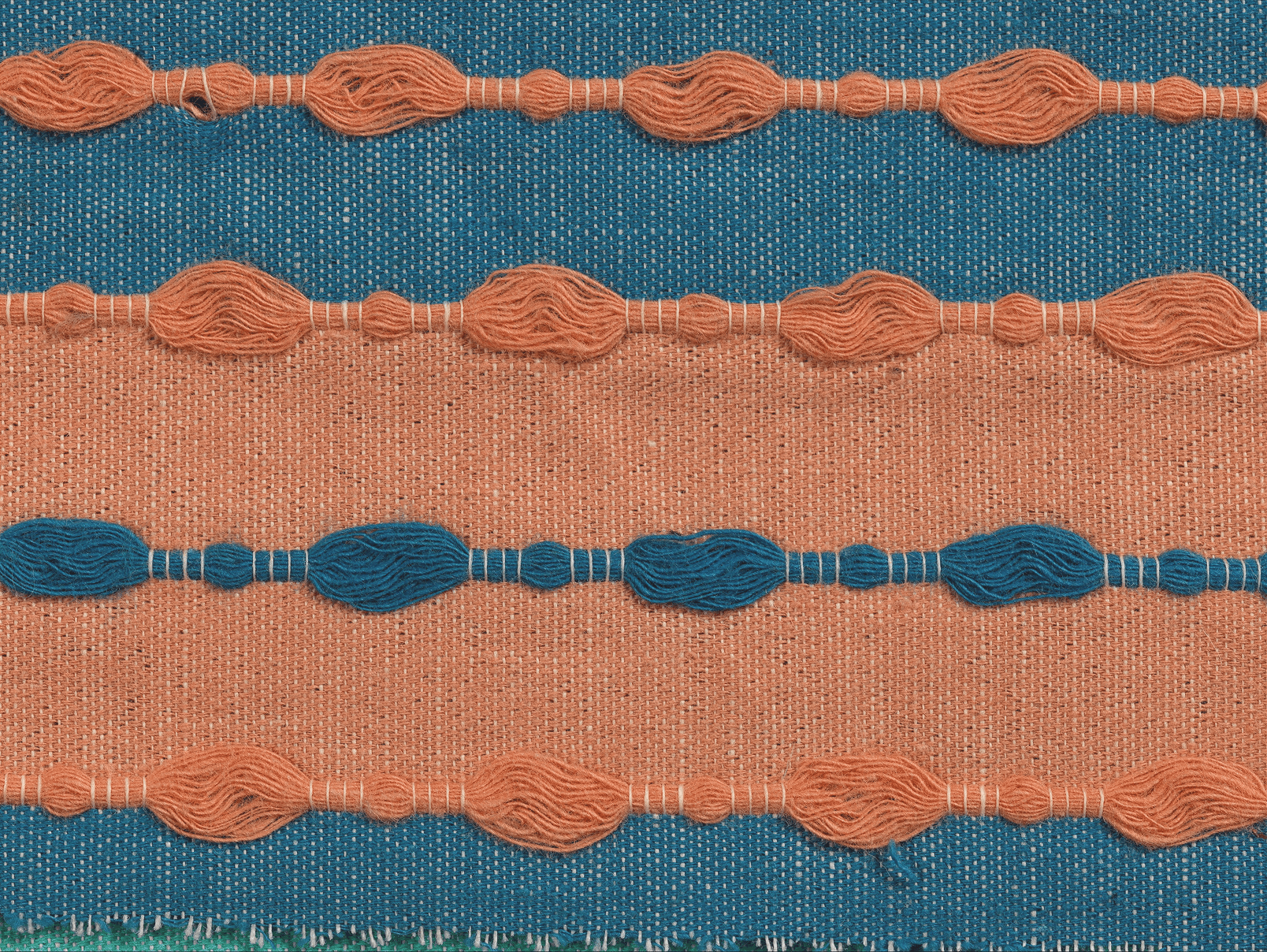
V. ABOVE: Otti Berger Bauhaus Vorhangsstoffe gewebt gittertülle (Bauhaus curtain fabrics woven lattice tulle) (Textile sample book) c.1933
V. ABOVE: Otti Berger Bauhaus Vorhangsstoffe
gewebt gittertülle (Bauhaus curtain fabrics
woven lattice tulle) (Textile sample book) c.1933
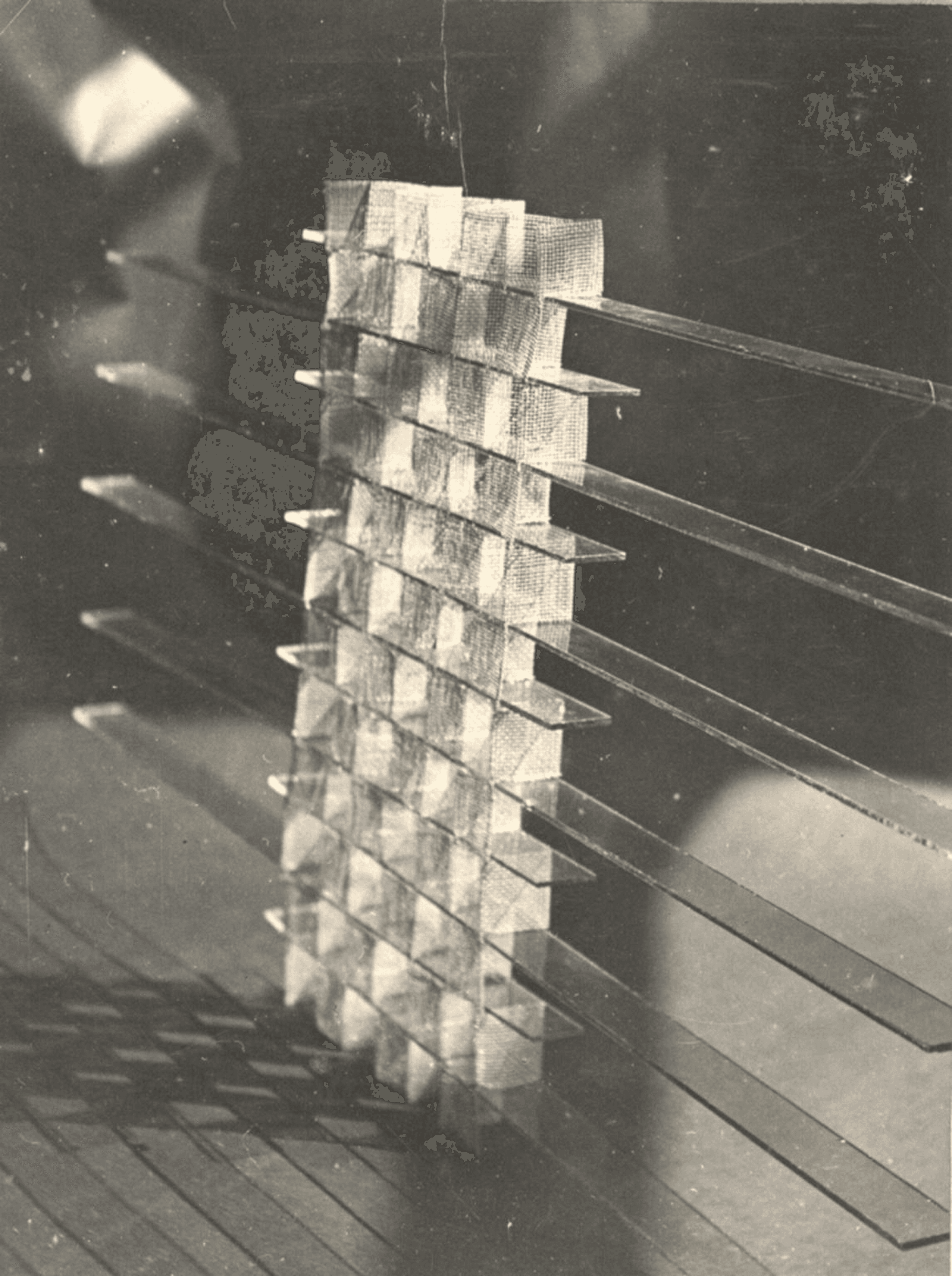
VI.
RIGHT (Material Study by Otti Berger, Josef Albers' Preliminary Course, Bauhaus Dessau)
c.1927, Edmund Collein
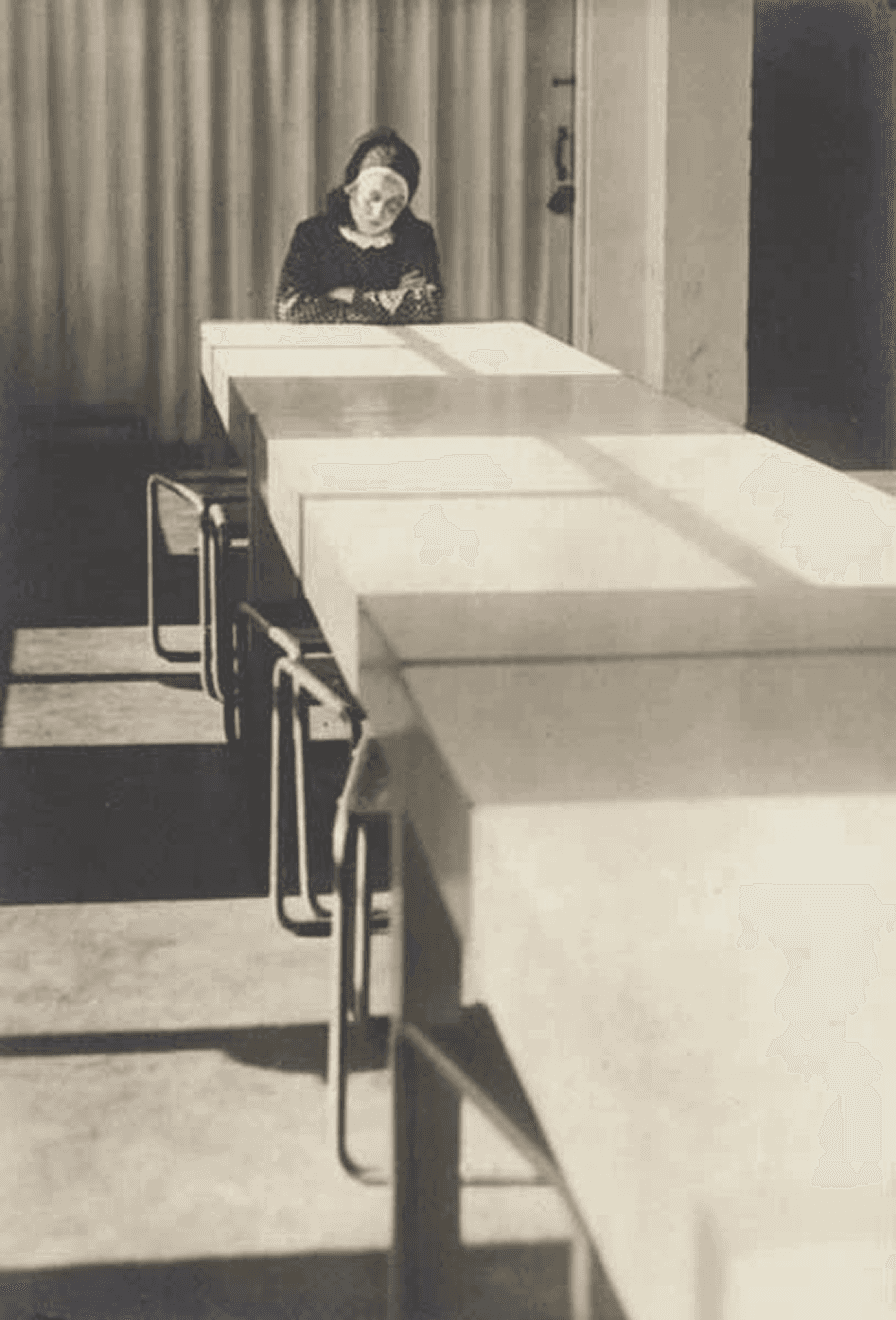
VII.
BELOW Otti Berger in the Canteen on their last day of the Bauhaus, Dessau (1932), Photo: Gertrud Arndt
II.
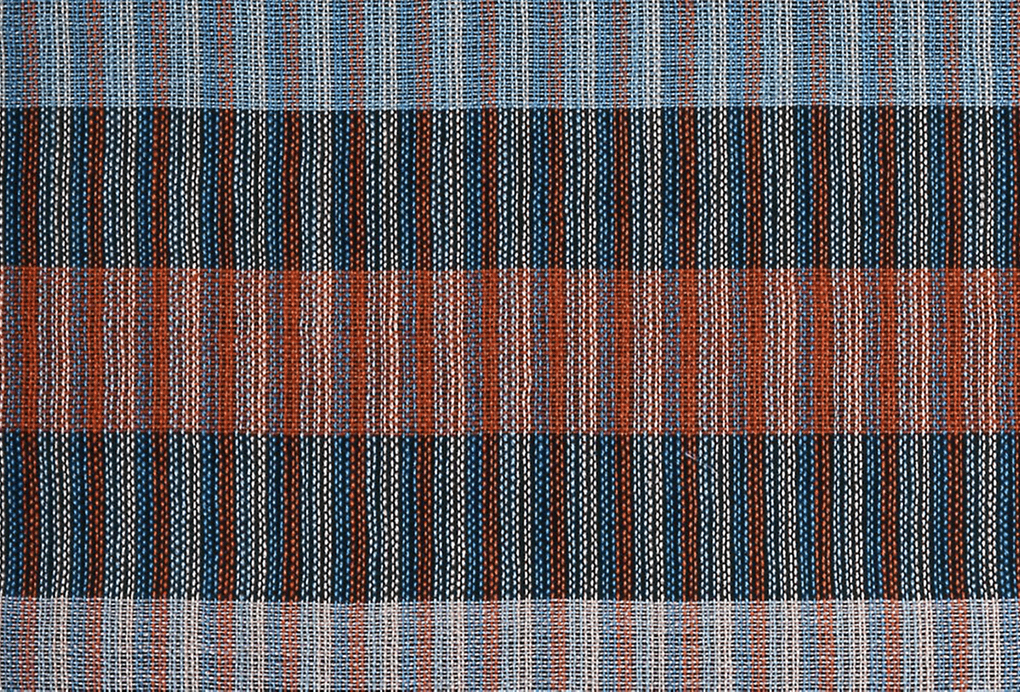
LEFT Otti Berger – Book (detail),
mid 1930s, cotton, 9.5 x 24.1cm (3
3/4 x 9 1/2 in.
III.
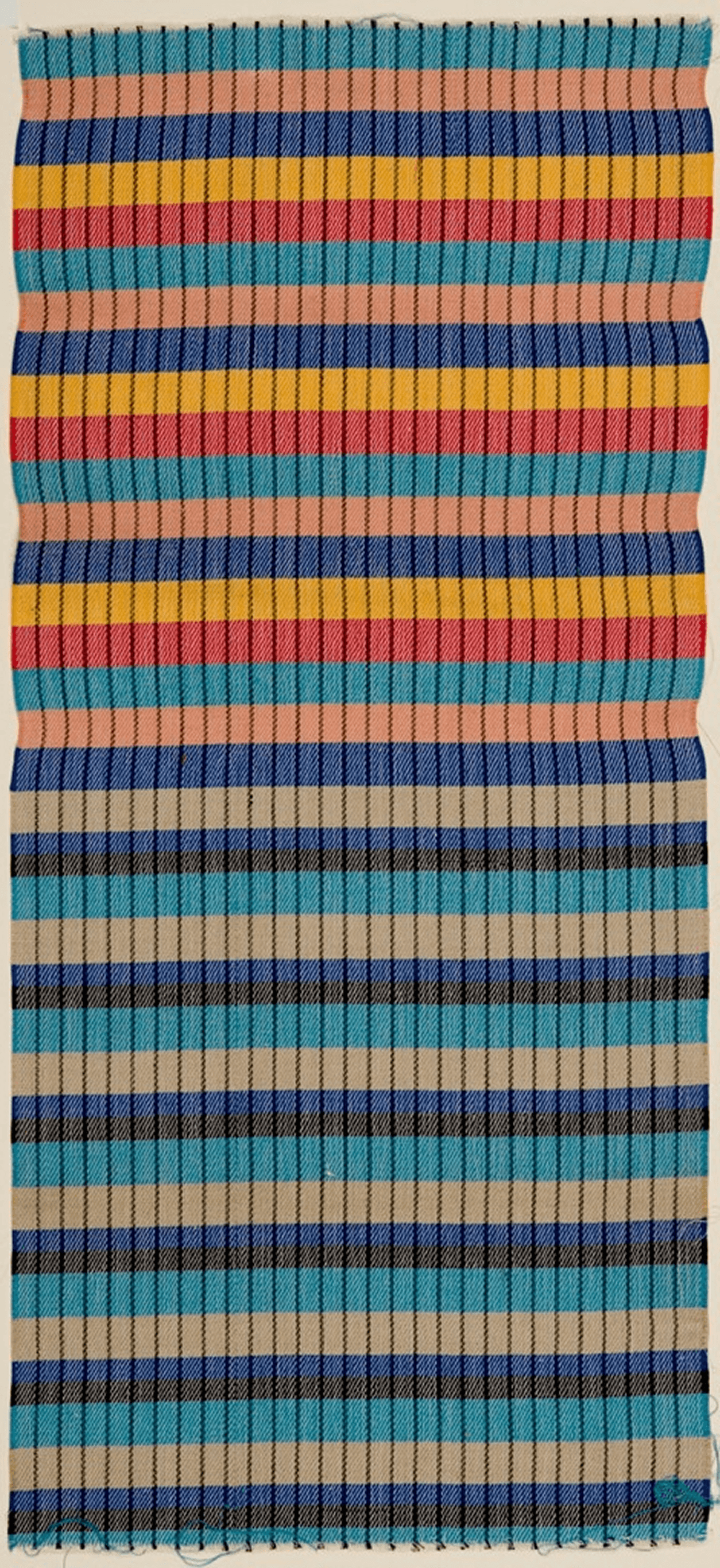
BELOW Otti Berger – Sample of
Upholstery for Tubular Furniture, 1932-1937, Double weave of cotton and plastic fibers, 32.7 x 72 cm (12
7/8 x 28 3/8 in.) Harvard Art
Museums
IV.
LAST Otti Berger – Swatches of Drapery, Wallpaper and Upholstery Materials, 1919–1933, Hemp, two-faced complementary warp weave of 3/3 twill weave and of wrap-float faced 5/1 twill weave, 23.6 x 15.2 cm (9 3/8 x 6 in.), Photo: The Art Institute of Chicago
Textile Teachers:
Otti Berger
Textile Teachers:
Otti Berger
Visual Studies 04
Otti Berger approached weaving as investigation, rather than decoration.
Born in 1898 in what is now Croatia, she joined the Bauhaus in 1927 and became recognised within the weaving workshop. At a time when textiles were often relegated to the domestic or ornamental, Berger treated cloth as material research.

mohair
The mohair blanket is a soft, voluminous blanket with a welcoming tactility, hand-woven using the finest mohair with added wool for greater body and increased longevity. Our Artisans follow centuries-old tradition working the Angora fibres into superlatively soft blankets. Smooth and lustrous in texture, each is breathable and lightweight, crease - resistant and kind to sensitive skin.
As a naturally renewable resource needing no chemical treatment, mohair goes gently on the earth in its production while providing strength and resilience when spun into yarn.
newsletter
mohair
The mohair blanket is a soft, voluminous blanket with a welcoming tactility, hand-woven using the finest mohair with added wool for greater body and increased longevity. Our Artisans follow centuries-old tradition working the Angora fibres into superlatively soft blankets. Smooth and lustrous in texture, each is breathable and lightweight, crease - resistant and kind to sensitive skin.
As a naturally renewable resource needing no chemical treatment, mohair goes gently on the earth in its production while providing strength and resilience when spun into yarn.
newsletter
mohair
The mohair blanket is a soft, voluminous blanket with a welcoming tactility, hand-woven using the finest mohair with added wool for greater body and increased longevity. Our Artisans follow centuries-old tradition working the Angora fibres into superlatively soft blankets. Smooth and lustrous in texture, each is breathable and lightweight, crease - resistant and kind to sensitive skin.
As a naturally renewable resource needing no chemical treatment, mohair goes gently on the earth in its production while providing strength and resilience when spun into yarn.
newsletter
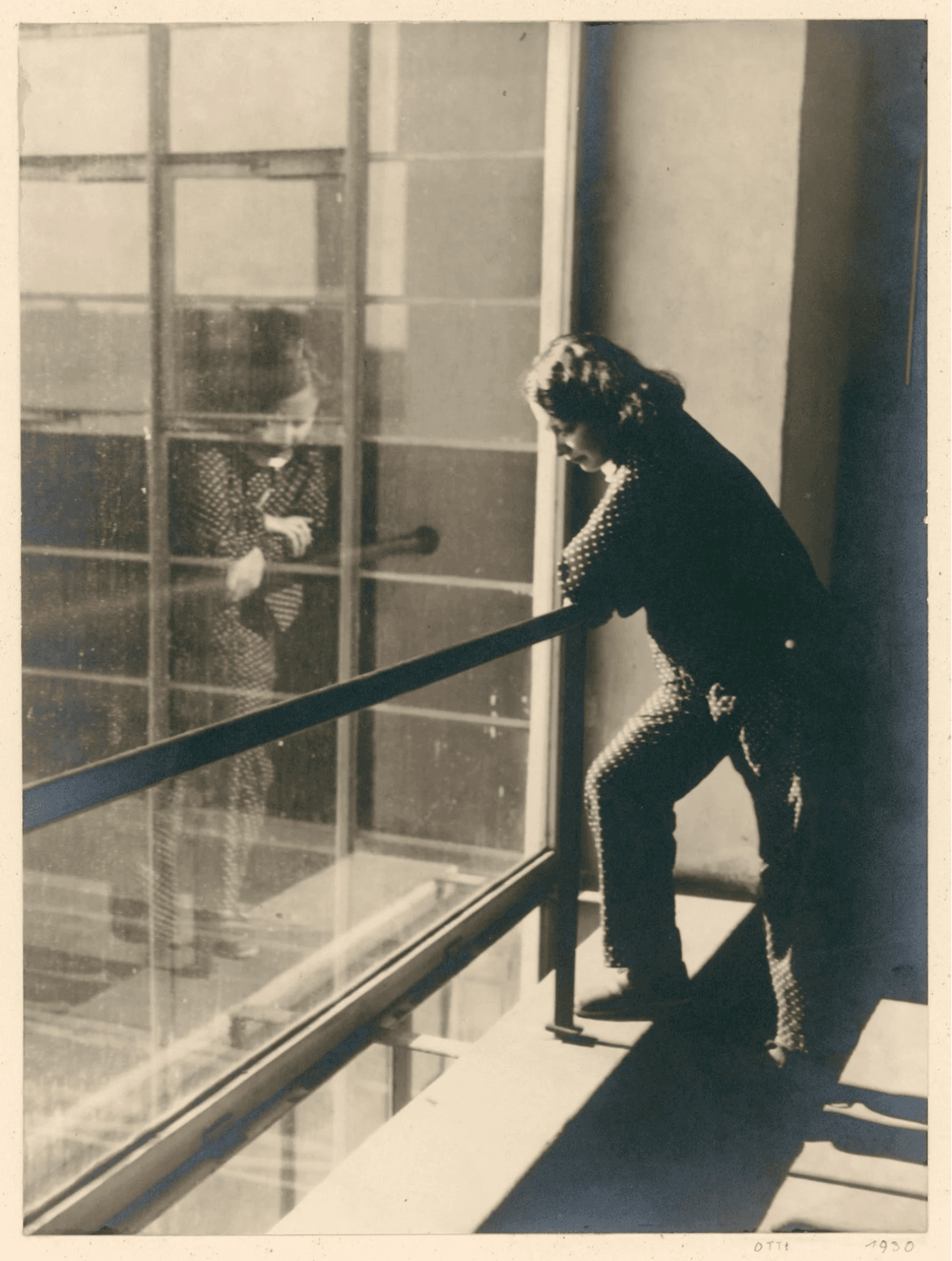
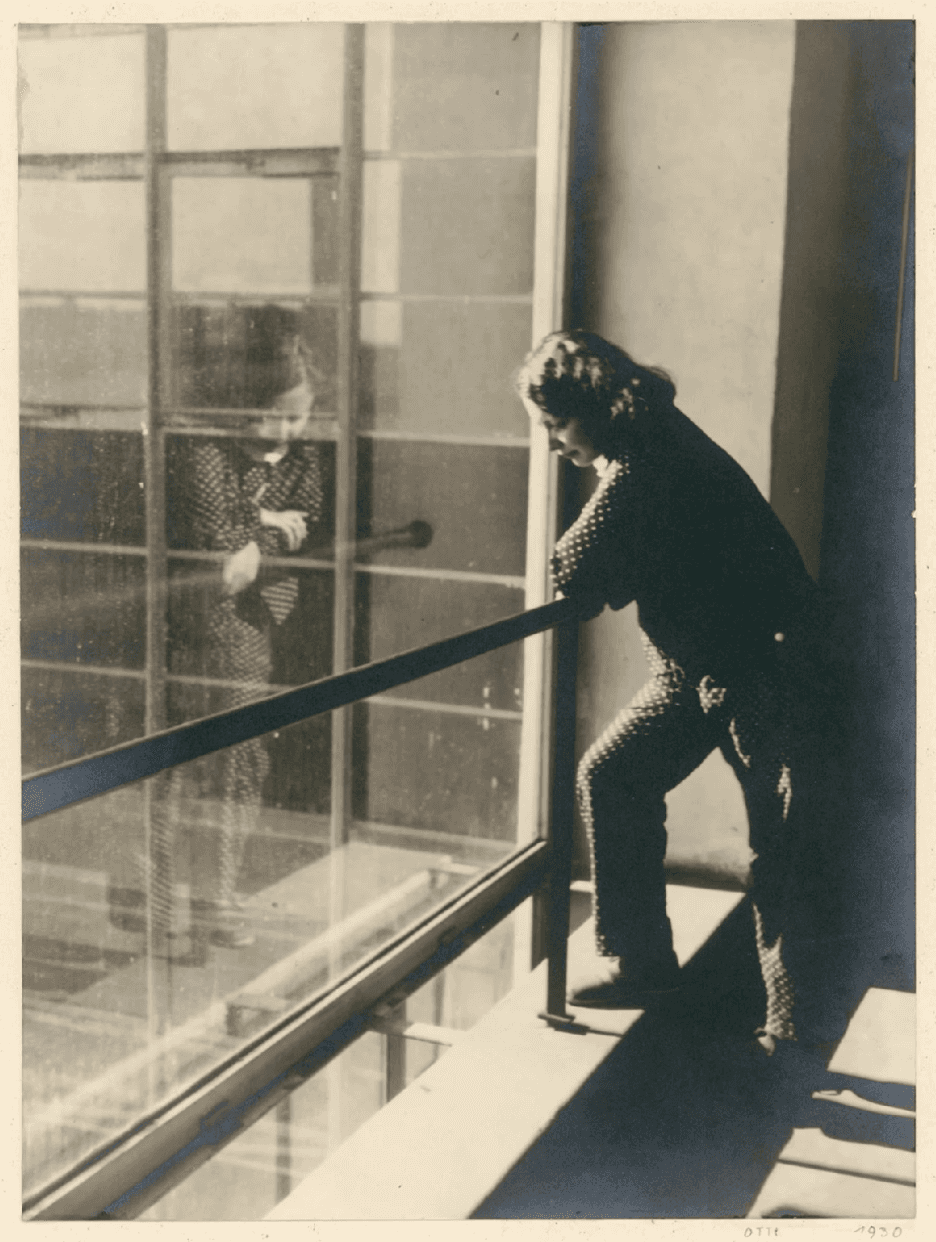
ABOVE: Otti Berger im Bauhaus Gebäude Dessau,
1930, Bauhaus Archive Berlin, Photo: Gertrud Arndt
For Berger, weaving was structure, and logic.- the disciplined interlacing of warp and weft to create something both functional and quietly radical.
Her textiles are restrained and architectural. Grid, subtle shifts in tone, and tactile surfaces that reveal their complexity only upon close inspection.
Pattern does not sit on top of the cloth; but emerges from the weave itself.
Texture becomes language, and repetition becomes rhythm.
For Berger, weaving was structure, and logic.- the disciplined interlacing of warp and weft to create something both functional and quietly radical.
Her textiles are restrained and architectural. Grid, subtle shifts in tone, and tactile surfaces that reveal their complexity only upon close inspection.
Pattern does not sit on top of the cloth; but emerges from the weave itself.
Texture becomes language, and repetition becomes rhythm.
V. ABOVE: Otti Berger Bauhaus Vorhangsstoffe gewebt gittertülle
(Bauhaus curtain fabrics woven lattice tulle) (Textile sample book) c.1933
VI.
RIGHT (Material Study by Otti Berger, Josef Albers' Preliminary Course, Bauhaus Dessau)
c.1927, Edmund Collein
VII.
BELOW Otti Berger in the Canteen on their last day of the Bauhaus, Dessau (1932), Photo: Gertrud Arndt
II.
ABOVE Otti Berger – Book (detail),
mid 1930s, cotton, 9.5 x 24.1cm (3
3/4 x 9 1/2 in.
III.
ABOVE Otti Berger – Sample of
Upholstery for Tubular Furniture, 1932-1937, Double weave of cotton and plastic fibers, 32.7 x 72 cm (12
7/8 x 28 3/8 in.) Harvard Art
Museums
IV.
BELOW Otti Berger – Swatches of Drapery, Wallpaper and Upholstery Materials, 1919–1933, Hemp, two-faced complementary warp weave of 3/3 twill weave and of wrap-float faced 5/1 twill weave, 23.6 x 15.2 cm (9 3/8 x 6 in.), Photo: The Art Institute of Chicago
For Berger, weaving was structure, and logic.- the disciplined interlacing of warp and weft to create something both functional and quietly radical.
Her textiles are restrained and architectural. Grid, subtle shifts in tone, and tactile surfaces that reveal their complexity only upon close inspection.
Pattern does not sit on top of the cloth; but emerges from the weave itself.
Texture becomes language, and repetition becomes rhythm.
II.
ABOVE Otti Berger – Book (detail),
mid 1930s, cotton, 9.5 x 24.1cm (3
3/4 x 9 1/2 in.
III.
ABOVE Otti Berger – Sample of
Upholstery for Tubular Furniture, 1932-1937, Double weave of cotton and plastic fibers, 32.7 x 72 cm (12
7/8 x 28 3/8 in.) Harvard Art
Museums
IV.
BELOW Otti Berger – Swatches of Drapery, Wallpaper and Upholstery Materials, 1919–1933, Hemp, two-faced complementary warp weave of 3/3 twill weave and of wrap-float faced 5/1 twill weave, 23.6 x 15.2 cm (9 3/8 x 6 in.), Photo: The Art Institute of Chicago
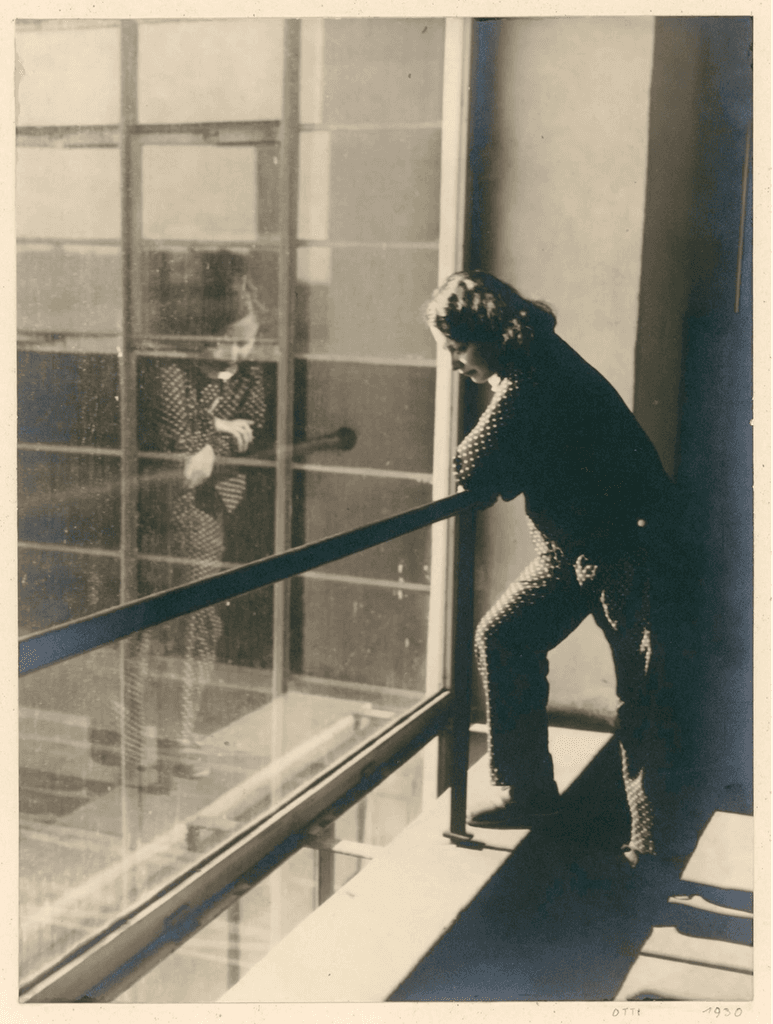
ABOVE: Otti Berger im Bauhaus Gebäude Dessau,
1930, Bauhaus Archive Berlin, Photo: Gertrud Arndt
ABOVE: Otti Berger im Bauhaus Gebäude Dessau,
1930, Bauhaus Archive Berlin, Photo: Gertrud Arndt
For Berger, weaving was structure, and logic.- the disciplined interlacing of warp and weft to create something both functional and quietly radical. Her textiles are restrained and architectural. Grid, subtle shifts in tone, and tactile surfaces that reveal their complexity only upon close inspection. Pattern does not sit on top of the cloth; but emerges from the weave itself. Texture becomes language, and repetition becomes rhythm.
ABOVE: Otti Berger im Bauhaus Gebäude Dessau,
1930, Bauhaus Archive Berlin, Photo: Gertrud Arndt